
Why This Football Blogger Switched to FIFADATA Exclusively?
For years, football bloggers relied on multiple sources to collect match results, player statistics, and tactical insights. Recently, many content creators have streamlined their workflow by consolidating research around platforms like Fifadata.com, where live data and advanced analytics are available in one place. The shift reflects a growing demand for speed, accuracy, and depth in football content production. Instead of switching between score sites, statistical databases, and tactical tools, bloggers now prioritize efficiency and data reliability. This article explores the practical reasons one football blogger decided to depend exclusively on a single comprehensive data ecosystem.
A unified data source that reduces research time
One of the biggest challenges in football blogging is managing fragmented information. Previously, match results came from one site, player metrics from another, and advanced analytics from specialized platforms. A unified database eliminates this fragmentation by bringing live scores, standings, timelines, and performance indicators into a single interface. This consolidation significantly reduces research time, especially during busy match schedules. Bloggers can focus more on writing and analysis rather than gathering scattered information.
The platform’s structured data layout also improves workflow efficiency. League pages connect directly to team profiles, player statistics, and historical results. This logical hierarchy allows quick navigation between related datasets without repeated searches. Faster access makes it easier to publish timely previews, match reports, and post-game analysis. Consistent organization transforms data collection into a smooth editorial process.
Real-time updates for immediate content publishing
Speed is essential for bloggers covering live matches or breaking football stories. Event updates such as goals, substitutions, and disciplinary actions appear within approximately 0.3 seconds after confirmation. This near real-time delivery allows writers to publish accurate updates while matches are still in progress. Instant synchronization reduces the risk of outdated or conflicting information. Faster reporting helps bloggers stay competitive in a crowded content environment.
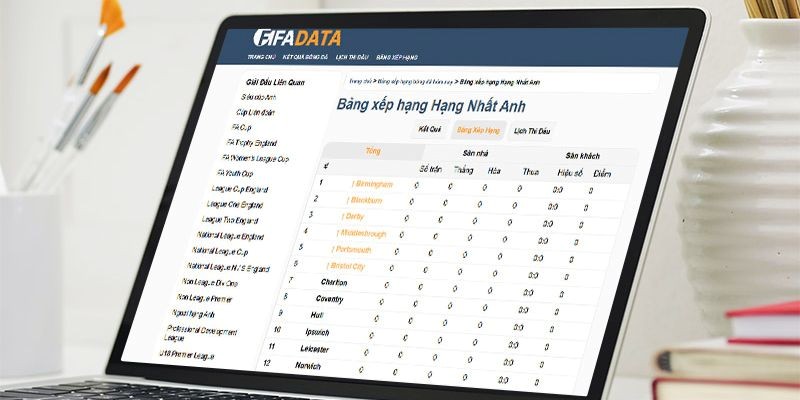
Live match timeline interface highlighting instant event updates during an ongoing game
Automatic background refresh further improves usability. Writers no longer need to reload pages repeatedly during live coverage. The interface updates silently while the user focuses on drafting content. Reliable real-time data supports live commentary posts, social media threads, and rapid match summaries. Continuous updates make the platform suitable for both real-time reporting and post-match analysis.
Advanced metrics that support deeper analysis
Modern football audiences expect more than basic match results. Metrics such as expected goals (xG), shot maps, possession zones, and heat maps help bloggers explain performance beyond the final score. Access to these advanced indicators allows writers to produce tactical insights rather than surface-level summaries. Readers gain a clearer understanding of team dominance, efficiency, and strategic patterns. Data-driven storytelling increases credibility and audience engagement.
The platform organizes advanced metrics in a way that remains accessible to non-technical users. Visual elements such as charts and positional maps simplify complex information. Bloggers can quickly interpret trends without exporting data into external tools. This accessibility encourages more frequent use of analytics in everyday content. Advanced statistics become part of the regular editorial workflow rather than a specialized feature.
| Advanced metric | Editorial value |
| Expected goals (xG) | Evaluate chance quality and finishing efficiency |
| Heat maps | Explain territorial control and player positioning |
| Shot maps | Analyze attacking patterns and shot selection |
| Possession zones | Identify tactical dominance areas |
| Player ratings | Support performance comparisons |
Broad league coverage for niche and global content
Football blogging increasingly targets diverse audiences interested in more than top European competitions. Coverage across thousands of leagues enables writers to explore niche topics, emerging talents, and regional tournaments. This breadth supports content diversification and long-tail search strategies. Bloggers can publish articles that face less competition while serving dedicated fan communities. Expanded coverage also helps maintain a consistent publishing schedule during international breaks or off-seasons.
Comprehensive historical archives add long-term value to content creation. Writers can compare team performance across seasons or analyze trends over multiple years. Reliable historical data supports statistical storytelling and retrospective features. Depth of coverage transforms the platform into a long-term research resource rather than a short-term results tracker. Consistent availability across competitions improves editorial planning.
Clean interface designed for writing efficiency
A cluttered interface slows down research and increases cognitive load during writing sessions. A clean layout with Vietnamese localization and intuitive navigation allows bloggers to locate information quickly. Clear typography, logical menus, and focused data panels reduce distractions. Writers can move between leagues, teams, and match details with minimal clicks. Simplicity improves productivity during tight publishing deadlines.
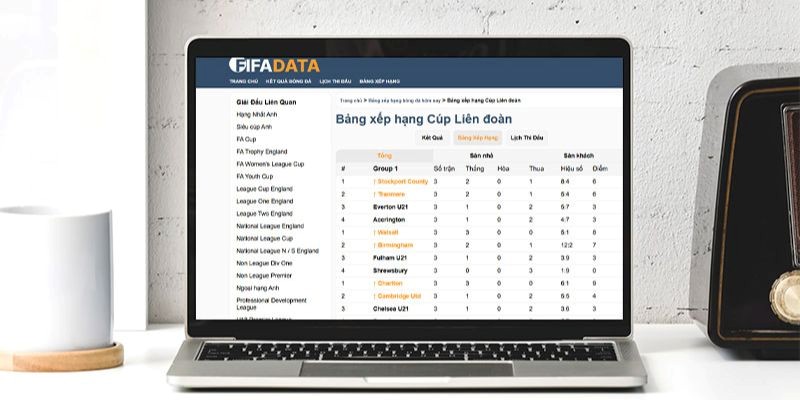
Minimalist dashboard layout highlighting quick navigation between leagues and team pages
Performance optimization also contributes to usability. Pages load quickly even when multiple tabs are open. Lightweight design ensures smooth operation on mid-range laptops and mobile devices. Consistent speed prevents interruptions during live coverage. A fast and simple interface supports long writing sessions without technical friction.
Reliable accuracy for professional credibility
Accuracy is critical for maintaining reader trust and search engine authority. Data validation processes deliver approximately 99.8% accuracy across live and historical information. Verified sources and automated consistency checks reduce the risk of publishing incorrect statistics. Bloggers can reference numbers confidently without cross-checking multiple websites. Reliable data strengthens editorial credibility over time.
Consistency across different sections further improves reliability. Match timelines, player stats, and league standings update in synchronization. This unified accuracy prevents contradictions that often appear when using multiple sources. Trustworthy data supports professional-level content production. Reliability becomes a long-term advantage for both audience retention and SEO performance.
| Data Quality feature | Benefit for bloggers |
| Multi-source validation | Higher statistical accuracy |
| Automated consistency checks | Reduced error risk |
| Synchronized updates | Consistent cross-page data |
| Historical verification | Reliable long-term comparisons |
| 99.8% accuracy rate | Strong editorial credibility |
Free access that supports sustainable publishing
Cost efficiency plays an important role for independent bloggers and small editorial teams. Access to live scores, standings, match timelines, and core analytics without subscription barriers reduces operational expenses. Free availability allows creators to scale content production without increasing overhead. This accessibility makes professional-level data available to a wider group of writers. Lower costs support long-term sustainability for independent football media projects.
Editorial calendar alongside open statistical dashboards used for planning weekly content
Open access also encourages experimentation with new content formats. Bloggers can explore data-driven articles, statistical previews, or performance breakdowns without investing in multiple paid tools. Flexible usage supports growth from casual blogging to professional publishing. Accessibility combined with depth creates strong value for long-term content strategy. Free access removes barriers between data availability and creative output.
Conclusion
Switching to a single comprehensive football data environment can transform the way bloggers research, write, and publish content. Real-time updates, advanced analytics, broad league coverage, and high accuracy create a reliable foundation for professional storytelling. Clean design, fast performance, and free access further support efficient daily workflows. Consolidated data reduces research time while improving the depth and credibility of published articles. For football bloggers seeking consistency, speed, and analytical strength, an all-in-one platform provides a practical and sustainable long-term solution.