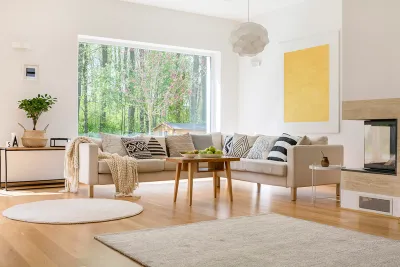
How to Build a Practical and Stylish Living Room from Scratch
Whether you’re working through living room design ideas for a cramped apartment or a sprawling open-concept space, we’ll tackle living room layout ideas and how to decorate a living room from absolute zero. Here’s something interesting: research shows that sixty-one percent of corporate strategists identify poor implementation as the number-one reason strategic initiatives collapse (AchieveIt). Home projects fail the exact same way brilliant concepts crumble without proper execution. Let’s build something that genuinely works for how you live.
Before you even think about pulling out a tape measure or browsing sofas online, you absolutely must nail down a razor-sharp vision. This prevents those regrettable impulse purchases and design choices you’ll second-guess for years. We’re building your decision framework right now so that every single choice paint color, furniture piece, accessory supports your actual lifestyle.
Living Room Vision That Guides Every Purchase
Your real day-to-day life should drive every design decision you make. Who’s actually using this room? Kids running around? Pets claiming the sofa? Frequent guests? Late-night gamers or Sunday morning readers? Identify your essential zones right away: conversation cluster, entertainment corner, reading retreat, kids’ play area, or remote work spot. Write down your absolute non-negotiables things like stain-resistant fabrics, concealed storage solutions, adequate walking space, and convenient outlet placement.
Inspiration That Converts Into a Plan
Carve out just ten minutes to assemble a mood board using Pinterest images and actual product links. Pay attention to what keeps appearing: are you repeatedly drawn to tapered furniture legs, rich walnut finishes, warm brass hardware, or bold geometric rug designs? Catching these patterns early makes shopping for supporting pieces so much easier, finding round end tables for living room arrangements that feel intentional rather than random, creating cohesion throughout your space.
Now that you’ve crystallized your style direction and functional requirements, it’s time to translate all that vision into real-world spatial planning. Precise measurements combined with thoughtful layout decisions separate Pinterest fantasies from rooms that genuinely function.
Style Direction Without Overwhelm
Here’s a simple trick: create a three-word style brief. Something warm, modern, relaxed or maybe cozy, minimal, bright. Now translate those descriptors into tangible things specific materials, color families, furniture silhouettes. Choose one primary style influence (mid-century modern, for instance) paired with one complementary style (perhaps Scandinavian minimalism) to keep yourself from chasing every trend that pops up.
You know that feeling when you’re staring at an empty room or worse, a space filled with furniture that doesn’t quite work together? Maybe you’ve inherited mismatched pieces, or you’re starting fresh with blank walls and zero direction. Either way, you need a living room that handles real life while looking pulled-together.
This complete walkthrough covers everything: measuring your space properly, planning a functional layout, selecting living room furniture essentials, building a lighting strategy that actually works, incorporating textiles thoughtfully, and styling with intention instead of impulse. You’ll discover budget-smart approaches, solutions for tight quarters, and a decision-making framework for how to design a living room that sidesteps expensive regrets.
Room Measurements + Living Room Layout Ideas That Prevent Mistakes
Grab your tape measure and document everything: wall lengths, ceiling height, window dimensions and door swing patterns, radiator locations, vent positions. Map out where outlets live and trace cable pathways for lamps, television, wifi routers, and charging needs. Take photos from multiple angles and sketch a rough floor plan. Plenty of smartphone apps now include LiDAR measurement capabilities that make this ridiculously easy.
Circulation Rules That Make a Living Room Feel Easy
You’ll want 24 to 36 inches of clearance for walkways between furniture pieces. The sweet spot between your sofa and coffee table runs about 14 to 18 inches close enough to reach your drink without awkward stretching. Space seating arrangements seven to ten feet apart for comfortable conversation flow, and follow manufacturer guidelines for TV viewing distances based on your screen size.
Layout Templates
Small apartments benefit from a floating loveseat paired with one accent chair and wall-mounted media components. Standard rectangular rooms work beautifully with a sofa, two chairs, an area rug as the anchor, and a centered coffee table. Open-plan homes often need a sectional to carve out the living zone, a console table positioned behind the sofa for definition, and a generously-sized rug establishing visual boundaries.
Awkward spaces with bay windows, corner fireplaces, or multiple doorways? Those need creative problem-solving angle furniture pieces, establish clear pathways, and embrace asymmetrical arrangements.
Tape-It-Out Test
This step saves so much heartache. Use painter’s tape to outline your planned sofa, rug, coffee table, and media console directly on your floor. Actually sit in different spots. Check if your knees have clearance. Test whether you can comfortably reach side tables. Confirm sightlines to your TV or fireplace. Do all this before spending a single dollar.With your layout mapped and traffic patterns confirmed, you’re finally ready to furnish strategically instead of randomly. Here’s the precise purchase sequence that prevents expensive mistakes and guarantees every piece justifies its presence.
Living Room Furniture Essentials
Purchase in this specific order: rug first, then your sofa or sectional, followed by media and storage units, chairs, tables, lighting fixtures, textiles, and finally decorative elements. This sequence lets scale, proportion, and color develop naturally. The only exception? Tiny rentals where a loveseat might logically come before the rug.
Sofa Selection That Lasts
Examine frame construction materials, cushion fill quality, seat depth dimensions, and back height. Performance fabrics fight off stains like champions, leather develops character as it ages, slipcovers provide change-it-up flexibility, and pet-friendly weaves handle claws without shredding. Double-check that your sofa length actually fits the wall and that chunky arms won’t devour a small room visually.
Chairs and Extra Seating
Swivel chairs offer wonderful flexibility, armless accent chairs squeeze into narrow rooms, and ottomans pull double duty as footrests and emergency seating. When you’re hosting larger groups, keep nesting stools, foldable lounge chairs, or structured poufs readily available.
Storage and Media That Stays Visually Calm
Strike a balance between closed storage (hides inevitable clutter) and open shelving (displays curated items intentionally). Wrangle cables using raceways, decorative boxes, or channels hidden behind consoles to maintain visual calm.Even the most carefully selected furniture looks flat under poor lighting it’s genuinely the fastest way to elevate any room from acceptable to absolutely finished. Let’s layer ambient, task, and accent lighting so your space feels welcoming at every hour.
Lighting Design That Instantly Upgrades the Room
Install a ceiling fixture or flush mount to provide ambient light, incorporate floor and table lamps for focused task lighting, and weave in picture lights or wall sconces for accent drama. Choose bulbs in the 2700K to 3000K temperature range for warmth, and calibrate brightness according to your room dimensions.
Lighting Placement Map
Position reading lamps in corners where you’ll actually curl up with books. Place a floor lamp behind sectionals to wash light upward. Set table lamps in the gaps between chairs. Add a small light near entry paths for safety and atmosphere. Avoid creating glare on TV screens and reflective surfaces; nobody wants to squint at their own reflection during movie night.
Trend-Forward Lighting Ideas
Renters, consider plug-in sconces that don’t require electrical work. Rechargeable accent lamps deliver flexibility you can move around. Smart dimmers let you create different lighting scenes for various activities. Hide LED strips behind media consoles or shelving for subtle background glow that adds depth.Lighting establishes mood, but your color palette and material selections create a cohesive narrative holding everything together. Here’s how to blend tones, textures, and finishes without falling into the matchy-matchy trap or accidentally clashing.
Color and Materials System
Build from a neutral foundation, introduce a mid-tone layer, select one punchy accent color, and incorporate black or bronze elements for visual anchoring. Always test paint samples at different times throughout the day warm undertones create coziness while cool tones read crisp and contemporary.
Material Mixing Rules
Commit to one dominant wood tone (walnut, for example) and one supporting tone (like oak). Restrict metal finishes to one or two maximum brass, matte black, or brushed nickel work beautifully and repeat your chosen finish at least three times around the room. Layer varied textures like boucle, linen, velvet, leather, jute, and wool to build dimensional interest.Your color and material foundation is locked in now it’s time to introduce the softness and warmth that transforms a living room from furnished to genuinely inviting. Rugs, window treatments, and textiles do the heavy lifting here.
Rugs, Curtains, and Soft Furnishings That Make It Feel Finished
Select rug sizes that allow sofa front legs to rest on the rug, or ideally place all furniture legs entirely on it. Think through pile height considering cleaning requirements, pets, door clearance, and chair mobility. Mount curtain rods close to the ceiling and extend them beyond window frames to create the illusion of larger windows. Choose sheer fabrics for gentle light filtering, lined versions for privacy, or blackout styles for dedicated media rooms.
Pillow and Throw System
Use pillow inserts one size larger than your covers for that plump, luxurious look. Distribute your accent colors across the sofa rather than clustering them. Mix pattern scales combine large, medium, and small prints. Opt for washable covers that let you swap seasonally without much effort.The major pieces are positioned and the room feels livable but it’s this final styling layer that transforms furnished into intentionally designed. Let’s add purposeful decor that elevates without creating clutter or visual chaos.
Decorating Plan
Hang artwork at eye level, maintaining six to eight inches of space above furniture pieces. Use mirrors strategically to bounce light around without reflecting messy corners. Style coffee tables with one serving tray, one book stack, and one organic element leaving generous clear zones for actual coffee mugs and TV remotes. Introduce greenery through low-light or pet-safe plant varieties, and layer ambient scent with diffusers and quality candles.
A beautifully styled living room only succeeds long-term if it handles real life pets tracking in mud, kids spilling juice, tech clutter multiplying, daily wear and tear. Here’s how to build in durability, convenience, and simple maintenance from the beginning.
Practical Living Room Setup
Prioritize performance fabrics, washable area rugs, and furniture with rounded corners instead of sharp edges. Keep attractive storage bins near the entryway to corral daily clutter. Conceal charging cables in drawers or decorative boxes, install USB outlets for convenience, and mount televisions at seated eye level. Establish a ten-minute weekly reset routine and maintain a stain-treatment kit somewhere accessible.
You now have complete design direction and practical systems ready to implement, but intelligent budgeting determines whether you can execute everything or make compromises that sacrifice quality. Let’s break down where to invest seriously, where to save strategically, and how to phase purchases without undermining style.
Budget-Friendly Build Plan
Invest meaningfully in your sofa, area rug and quality rug pad, and excellent lighting fixtures. Save strategically on decorative accessories, side tables, storage pieces, and throw pillows. Phase purchases thoughtfully: acquire seating and basic lighting within the first month, add rugs and storage solutions by month three, then gradually layer artwork and accessories over time.
Your room is furnished, functional, and budget-conscious but before declaring victory, run these designer-level checks ensuring balance, comfort, and cohesion. These finishing touches separate amateur setups from professionally polished environments.
Quick Room Checks Before You Call It Done
Check that visual weight distributes evenly across walls and corners rather than clustering on one side. Vary heights throughout the room with low, medium, and tall elements to avoid monotonous flatness. Confirm that every single seat has a nearby surface, dedicated light source, and soft element within reach. Repeat your key finishes and accent colors at least three times for cohesion, and practice ruthless editing by removing one decorative item for every new piece you introduce.
You’ve successfully built a living room that’s both practical and stylish from absolute scratch. Now let’s address the most common questions readers ask when fine-tuning layouts, sizing furniture correctly, and solving tricky design challenges.
Common Questions About Building Your Living Room
What is the best living room layout for a small space with a TV?
Float a loveseat or compact sectional facing the television, add one accent chair angled to encourage conversation, and mount the TV on the wall to recover valuable floor space. Choose a streamlined media console with built-in storage.
What size rug should I get for my living room layout?
Select a rug that accommodates all furniture legs comfortably, or at minimum the front legs of your sofa and chairs. Standard living rooms typically need 8×10 or 9×12 sizes.
How do I design a living room from scratch on a budget?
Prioritize your rug and sofa purchases first, then focus on lighting and storage solutions. Save on decorative accents and smaller pieces, and phase purchases across 60 to 90 days to spread costs manageably.
Wrapping Up Your Living Room Build
Building a living room from scratch doesn’t demand a professional designer or bottomless budget; it requires crystal-clear vision, accurate measurements, and intelligent sequencing. Begin with your lifestyle requirements, map your layout carefully, purchase furniture in the proper order, and thoughtfully layer lighting with textiles. Run final checks for balance and comfort, and remember that genuine cohesion comes from repeating finishes strategically, not matching everything perfectly. With these steps, you’ll create a space that handles daily life beautifully while looking absolutely intentional.