Central Kitchen: How F&B Businesses Control Quality Across Outlets
When an F&B business starts opening more outlets, quality problems often appear quietly. One branch may serve a different sauce texture, another may use inconsistent portion sizes, and another may run out of key ingredients during peak hours.
These issues can affect more than daily kitchen operations. Over time, inconsistent preparation can increase food waste, raise production costs, and weaken customer trust in the brand. A central kitchen helps solve this by centralising key preparation, inventory control, quality checks, and distribution in one main facility.
For growing restaurant chains, bakeries, cloud kitchens, catering businesses, and franchise brands, the goal is not only to produce more food. The real challenge is keeping every outlet consistent while the business expands. This article explains how a central kitchen helps F&B businesses control quality, reduce waste, and manage outlet operations more clearly.
Why Multi-Outlet F&B Quality Breaks Down
Quality often drops when each outlet prepares food independently. Even with the same recipe, different kitchen teams may handle cooking time, ingredient preparation, portioning, or storage in different ways. For customers, this creates an inconsistent experience because the same menu item may taste or look different depending on the outlet they visit.
This problem becomes harder to detect when stock usage, preparation output, and outlet performance are not tracked properly. Management may only notice the issue after customer complaints, higher food costs, or frequent stock shortages. A central kitchen reduces this risk by standardising important preparation steps before products reach each outlet.
How Central Kitchen Improves Production Control
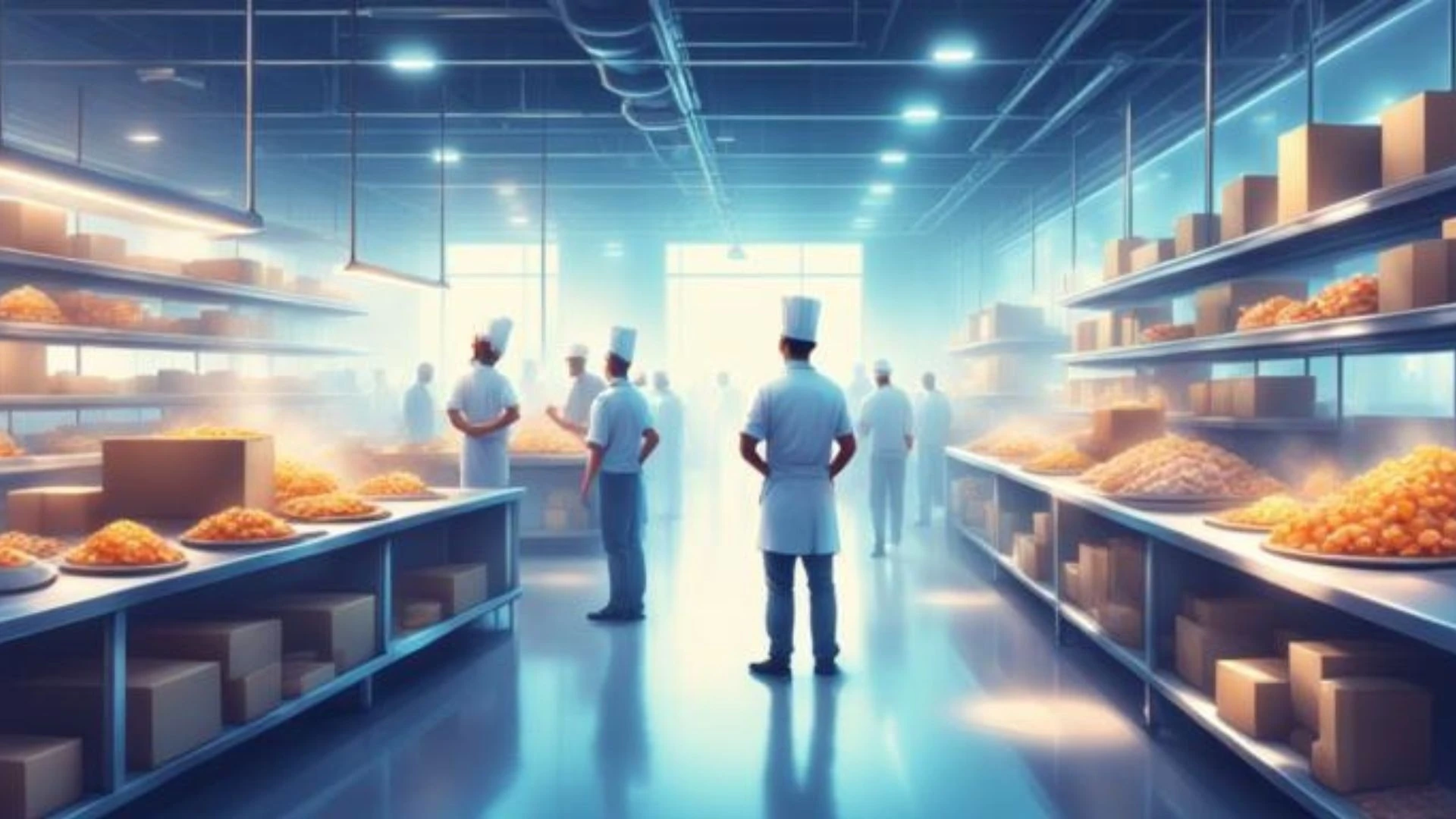
A central kitchen works as the main production point for multiple outlets. It prepares ingredients, semi-finished products, sauces, dough, marinades, or ready-to-cook items before distributing them to branches.
This setup gives management better control over recipes, portions, batch quality, and ingredient usage. Outlet teams can then focus on final cooking, service speed, and customer experience instead of repeating the same preparation work from scratch.
Building Central Kitchen Workflows That Reduce Waste
Waste often comes from overproduction, expired ingredients, poor portioning, and inaccurate outlet requests. Without a clear process, these problems can spread across multiple outlets.
Clear central kitchen workflows help connect ingredient receiving, stock control, production planning, packing, quality checks, and distribution. Each step should be recorded so the team can trace stock movement, reduce waste, and prepare based on actual outlet demand.
For example, a bakery can adjust dough production before weekends, while a restaurant chain can prepare more sauces or marinated items before busy periods.
Keeping Outlet Requests and Kitchen Output Aligned
Many F&B businesses still manage outlet requests through WhatsApp, calls, or spreadsheets. This can lead to missed requests, duplicate orders, wrong quantities, and late deliveries.
Strong coordination between kitchens and outlets helps align stock requests, production schedules, delivery timing, and outlet needs. When requests are clear, the central kitchen can prepare the right items and outlets can avoid shortages during peak hours.
A structured request flow also helps management compare outlet demand with actual sales, making future production planning more accurate.
Scaling F&B Operations Without Losing Consistency
Opening more outlets should not mean multiplying kitchen problems. Every new branch adds more stock requests, staff training needs, preparation work, and quality risks.
A central kitchen gives F&B businesses a repeatable operating model. New outlets can receive standardised products from the main kitchen and focus on serving customers. This is useful for restaurant chains, bakeries, cloud kitchens, catering businesses, and franchise brands that need consistent quality across locations.
It also supports cost control. Centralised purchasing, production, and stock monitoring can reduce repeated work, improve planning, and lower waste as the business grows.
Conclusion
As F&B brands expand, small gaps in preparation, stock control, and outlet requests can affect quality across branches. A central kitchen helps keep production more controlled, so growth does not depend entirely on each outlet’s manual process.