Cashless Payment Methods in Malaysia 2026: From Restaurants to Online Entertainment
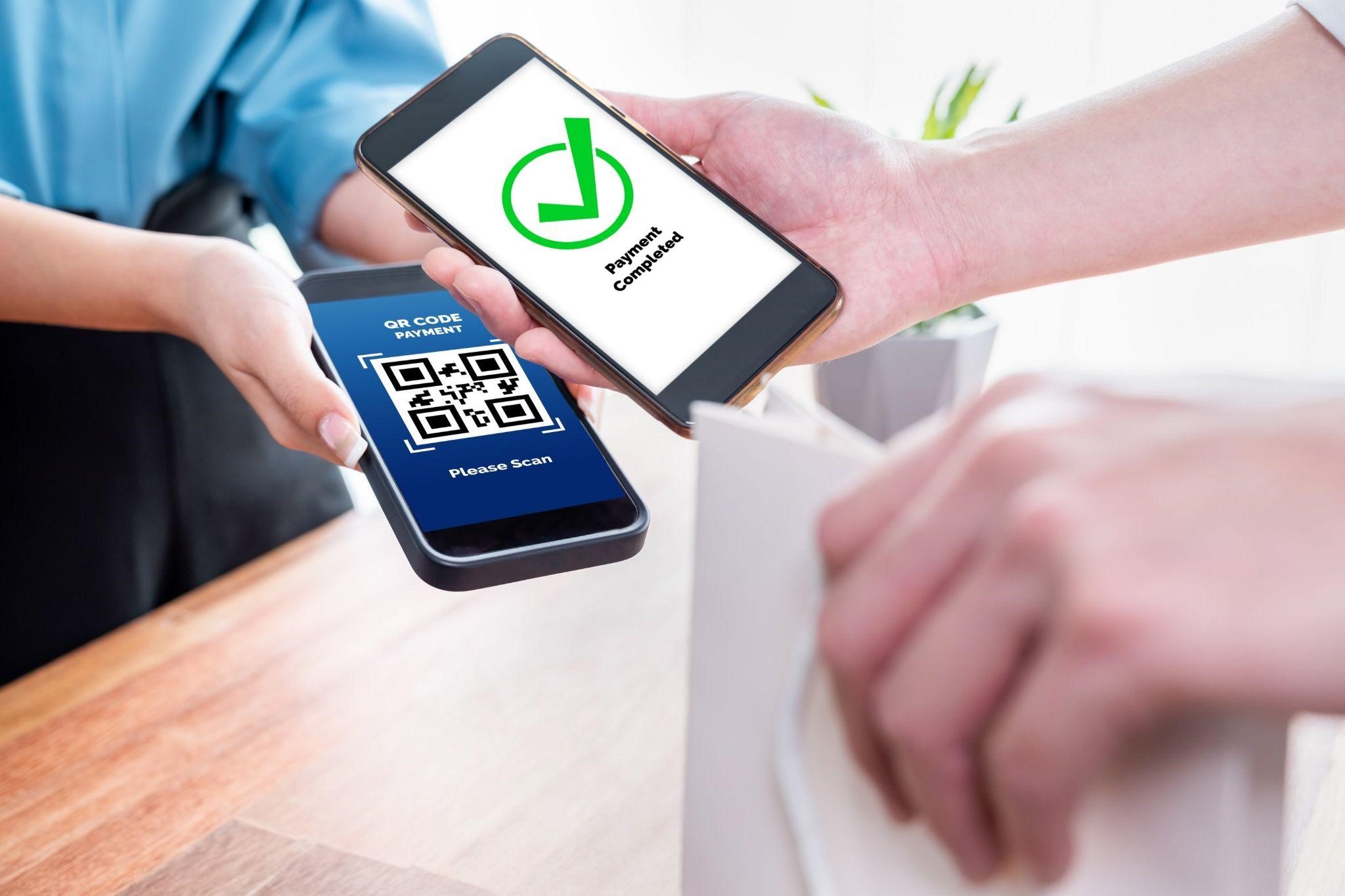
Malaysia’s cashless revolution has moved well past the experimental phase. Walk into any hawker stall in Penang, grab a bubble tea in Bangsar, or book a movie ticket online — the expectation in 2026 is that your phone handles the bill. The physical ringgit is still around, but it is quietly becoming the backup option rather than the default. This guide breaks down exactly how Malaysians are paying today, which platforms are leading the charge, and what you need to know to spend smarter and safer.
The Shift to Cashless Living in Malaysia
The groundwork for Malaysia’s cashless economy was laid years ago, but the real acceleration happened in phases. Bank Negara Malaysia’s Financial Sector Blueprint pushed interoperability between payment platforms, and the DuitNow infrastructure gave the country a real-time payment rail that tied everything together. By 2026, Malaysia consistently ranks among Southeast Asia’s most active QR payment markets, with tens of millions of active e-wallet users across the country.
The shift isn’t just urban. Market traders in Kota Bharu, neighbourhood sundry shops in Ipoh, and roadside fruit vendors in Johor Bahru now display QR codes alongside their price boards. The COVID-era nudge toward contactless payments was never fully reversed, and the convenience of tap-and-go has made it the norm for everyday purchases. Younger Malaysians in particular rarely carry cash at all — and increasingly, neither do their parents.
Beyond habits, the economics make sense. Most major e-wallets run periodic cashback campaigns, loyalty rewards, and merchant discounts that simply aren’t available when paying cash. Over a month of regular spending, an active e-wallet user can meaningfully reduce their cost of living through accumulated benefits.
Top E-Wallets Malaysian Consumers Use in 2026
Malaysia’s e-wallet landscape is competitive, and a handful of platforms have pulled ahead in terms of user base, merchant acceptance, and feature depth.
Touch ‘n Go (TNG) eWallet remains the most widely adopted digital wallet in the country. Originally tied to highway toll payments, TNG eWallet has expanded into a full financial super-app — covering everything from groceries and petrol to bill payments, insurance, and investments. Its integration with DuitNow QR means it is accepted almost anywhere a QR code is displayed. The GoPayLater credit feature and the GO+ investment fund have also given TNG eWallet a stickiness that pure payment apps struggle to match.
GrabPay benefits enormously from its integration with the Grab superapp. Every time a user orders food, books a ride, or shops on GrabMart, GrabPay earns its place. GrabRewards points funnel users back into the ecosystem, and the GrabPay card (Mastercard-backed) extends acceptance to physical merchants and international online stores that don’t support QR payments directly.
Boost carved out a loyal user base through aggressive cashback offers and a strong presence in retail chains, cinemas, and food delivery. After the consolidation of RHB and Boost’s parent entities, the wallet has leaned further into financial services, including micro-loans and insurance products alongside standard payments.
DuitNow QR deserves a separate mention because it isn’t strictly an e-wallet — it is the national QR payment standard operated by Payments Network Malaysia (PayNet). Think of it as the common language that lets TNG eWallet, Maybank MAE, CIMB Clicks, RHB, and dozens of other apps all scan the same merchant QR code. A single DuitNow QR sticker at a merchant’s counter accepts payment from virtually every Malaysian bank app and e-wallet. This interoperability is a major reason Malaysia’s QR ecosystem feels so frictionless compared to markets where proprietary QR systems fragment the experience.
Bank-linked apps — particularly Maybank MAE — also deserve recognition. For users who prefer keeping their digital payments tied directly to their bank account rather than a separate wallet, MAE offers QR payments, DuitNow transfers, and a range of in-app financial tools without the step of pre-loading funds.
Beyond Dining — Entertainment & Online Leisure Platforms Accepting E-Wallets
E-wallets have long covered the basics — food, transport, retail. But in 2026, the acceptance footprint has expanded deep into entertainment and online leisure.
Streaming services, gaming platforms, cinema chains, and ticketing portals have progressively added DuitNow and TNG eWallet as checkout options. This matters because it removes the friction point that previously pushed users toward credit cards or bank transfers for non-physical purchases. You no longer need to key in a 16-digit card number to watch a film online or buy in-game currency.
Online entertainment platforms have been particularly quick to adopt local payment methods. Malaysian users increasingly prefer solutions that don’t require a credit card — whether for privacy reasons, accessibility, or simply because loading from a local wallet is faster. Several Malaysian entertainment platforms now accept DuitNow and TNG eWallet — for example, ADA99 Malaysia supports both for instant deposits and withdrawals, reflecting the broader industry shift toward seamless local payment options.
Cinema chains like TGV and GSC have integrated DuitNow QR and TNG eWallet at both online and kiosk checkout points. Concert and live event ticketing platforms have followed. Even sports streaming subscriptions and OTT platforms operating in Malaysia have begun offering DuitNow as a top-up or subscription renewal method, recognising that a portion of their user base simply does not hold a credit card.
The gaming sector has moved in the same direction. Mobile game publishers and PC gaming storefronts targeting the Malaysian market have added DuitNow and local wallet options at the payment stage, reducing drop-off rates from users who would otherwise abandon a purchase when credit card fields appear.
For PayNet’s full breakdown of DuitNow-accepted categories and merchant types, their official DuitNow resource page provides up-to-date listings and technical documentation for consumers and businesses.
Tips for Safe Online Payments in Malaysia
Faster, more convenient payments come with responsibilities. Here is what to keep in mind to stay protected.
Enable transaction notifications immediately. Every e-wallet and bank app in Malaysia offers real-time SMS or push notification alerts for transactions. There is no reason to leave these off. An instant notification is the fastest way to catch an unauthorised charge before it compounds.
Use biometric authentication, not just a PIN. Face ID or fingerprint lock adds a meaningful second layer of security, especially if your phone is lost or stolen. Most Malaysian e-wallets support biometric login — enable it.
Understand your daily transaction limits. TNG eWallet, GrabPay, and bank apps each impose daily transfer and payment caps. Standard e-wallet accounts (unverified) carry lower limits; completing eKYC verification typically raises them significantly. Know your limits before you need to make a large payment, not during.
Watch for phishing QR codes. Scammers have been known to paste fraudulent QR stickers over legitimate merchant codes in public spaces. Before scanning, check that the QR code is not a sticker placed on top of another one. When a scanned QR leads to an unfamiliar URL rather than a recognisable payment confirmation screen, abort the transaction.
Review transaction fees before transferring. DuitNow transfers between banks and wallets are generally free for personal transactions. However, some platforms charge fees for instant withdrawals or cross-platform transfers. Read the fee schedule for whichever platform you use most, as these can change with promotional periods and policy updates.
Never share your OTP. No legitimate bank, e-wallet, or payment platform will call you and ask for a one-time password. If someone does, it is a scam — hang up immediately and report it to your bank’s fraud line or to Bank Negara Malaysia’s BNMLINK at 1-300-88-5465. For the latest official guidance on financial scams and consumer protections, Bank Negara Malaysia’s consumer education resources are a reliable reference.
Log out of shared devices. This sounds basic, but it is frequently overlooked. If you access your e-wallet or mobile banking on a tablet or computer that others use, sign out completely when done. Browser autofill storing payment credentials is a common entry point for account compromise.
Spending Smarter in 2026
Malaysia’s cashless infrastructure is genuinely world-class. The combination of DuitNow’s interoperability, the depth of TNG eWallet’s ecosystem, and the rapid adoption of QR payments across both urban and rural merchants means that for most Malaysians, a charged phone and a topped-up wallet covers virtually every payment need in daily life.
The opportunity for consumers is to use this infrastructure deliberately — stacking cashback offers, keeping a verified account to access higher limits, and staying alert to security basics. Convenience and safety are not mutually exclusive. The Malaysians who get the most out of cashless payments are those who understand their tools, not just those who use them.