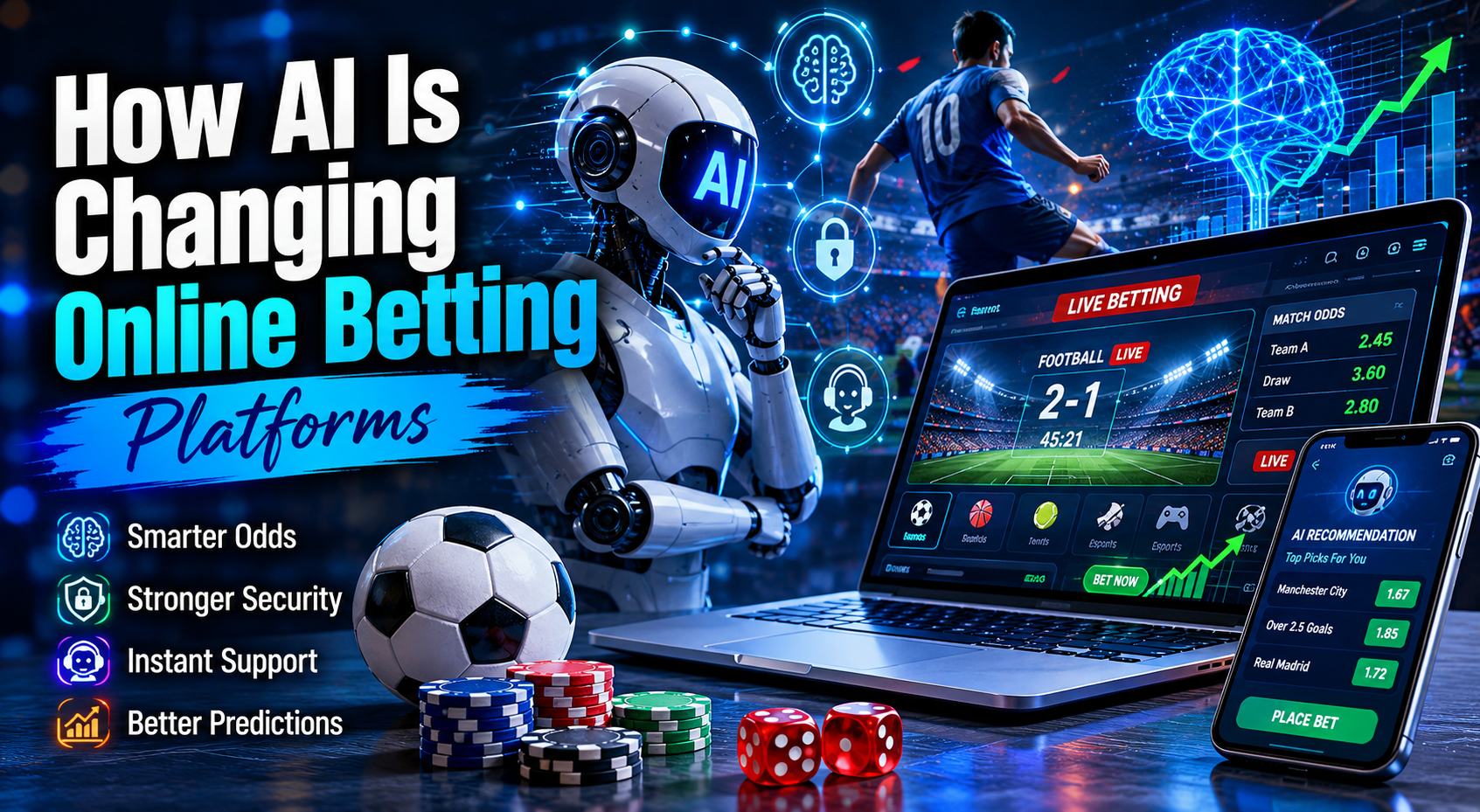
How AI Is Changing Online Betting Platforms
Artificial intelligence is changing almost every digital industry. Online betting platforms are seeing some of the quickest shifts. AI is changing how users engage with betting websites and apps. It offers personalized tips and improves fraud detection. Modern platforms are no longer simple digital versions of traditional bookmakers. They are becoming adaptable ecosystems. This change is driven by real-time data, machine learning, and predictive technologies.
Many users may not realize how much AI already influences their experience while browsing betting platforms such as https://20bet.asia/. Algorithms analyze player behavior, betting trends, match stats, and market activity. They do this behind the scenes. This helps create systems that are more responsive and engaging.
Personalization is one of the main ways AI is transforming online gambling. Modern betting platforms gather lots of user data. This covers preferred odds types, time on pages, favorite sports, and betting habits. AI algorithms use this data to make recommendations for betting markets, casino games, or matches that are unique to each user. This results in a more personalized, seamless, and engaging experience.
If a customer often bets on English Premier League games, the platform may prioritize those events. It might also suggest similar markets or send real-time alerts about upcoming matches. The algorithm’s ability to forecast what the user is most likely to interact with improves over time.
The computation of odds also heavily relies on AI. Bookmakers used to rely on statistical algorithms and human analysts to set betting odds. Machine learning systems can process huge datasets in seconds. However, human skill remains essential. To change odds, these systems check player performance. They also consider weather, injuries, team form, past trends, and live match momentum.
This is particularly crucial when betting live, since odds can alter in a matter of seconds depending on the outcome of a game. AI helps platforms respond quickly. It reacts to scores, penalties, red cards, momentum changes, and surprises. Modern live betting would be much less effective without sophisticated algorithms.
Security is another area where AI is subtly altering online betting sites. Betting websites have many behind-the-scenes challenges. They see suspicious betting activity. They also deal with possible match-fixing. Fraudulent accounts and bonus misuse are common issues, too. A large portion of this work had to be manually monitored by human teams in the past, which might take a long time. These days, AI algorithms are able to identify patterns that seem strange or out of place quite rapidly. The platform may quickly flag an account for review. This happens if a user suddenly makes strange bets. It also flags accounts if their betting habits change overnight.
These systems are helpful because they get better with time. They get more adept at seeing small warning indicators that they may otherwise overlook as they handle more instances. In the long run, this makes systems respond faster and improves overall user security.
Chatbots boost efficiency for simple requests. However, they can’t fully replace human interaction. AI systems are getting better at understanding natural language. As a result, conversations feel more natural and less artificial than before.
Additionally, AI is altering how betting firms handle responsible gaming. Modern platforms are increasingly using machine learning algorithms. They help spot warning signs of dangerous activity. AI systems can start responsible gambling actions. For example, if a user deposits a lot of money, bets heavily after a loss, or suddenly changes their behavior. Reminders, suggested deposit limitations, and short-term account activity restrictions are a few examples.
Authorities are pushing betting companies to ensure customer safety and transparency. This makes the sector more important than ever.
Predictive analytics is another new trend. Large volumes of sports data may be analyzed by AI systems to produce forecasts and insights for operators and users. To help players choose better, some platforms give AI stats. They also offer probability models and betting tips.
AI is also helping to make online betting more entertaining. The goal of personalized interfaces is longer user engagement. This includes smart recommendation systems, dynamic promotions, and adaptable casino experiences. This matches what we see in social media, e-commerce sites, and streaming platforms. Here, algorithms work hard to boost consumer engagement.
In the future, technology will likely blend AI into betting platforms. Voice assistants, virtual reality casinos, and advanced predictive simulations will play key roles. Betting experiences can be more personal and immersive. This will happen as computing power and data collection improve.
But the application of AI in online gambling also brings up significant ethical, privacy, and user protection issues. Platforms should focus on innovation and responsibility. This helps technology improve entertainment. It also prevents negative behavior.
In conclusion, AI has undoubtedly already irrevocably altered the online betting market. Automation tools began simply but have evolved into smart systems. These systems can affect nearly every part of the user experience. AI will remain a key factor for digital betting platforms as technology grows.