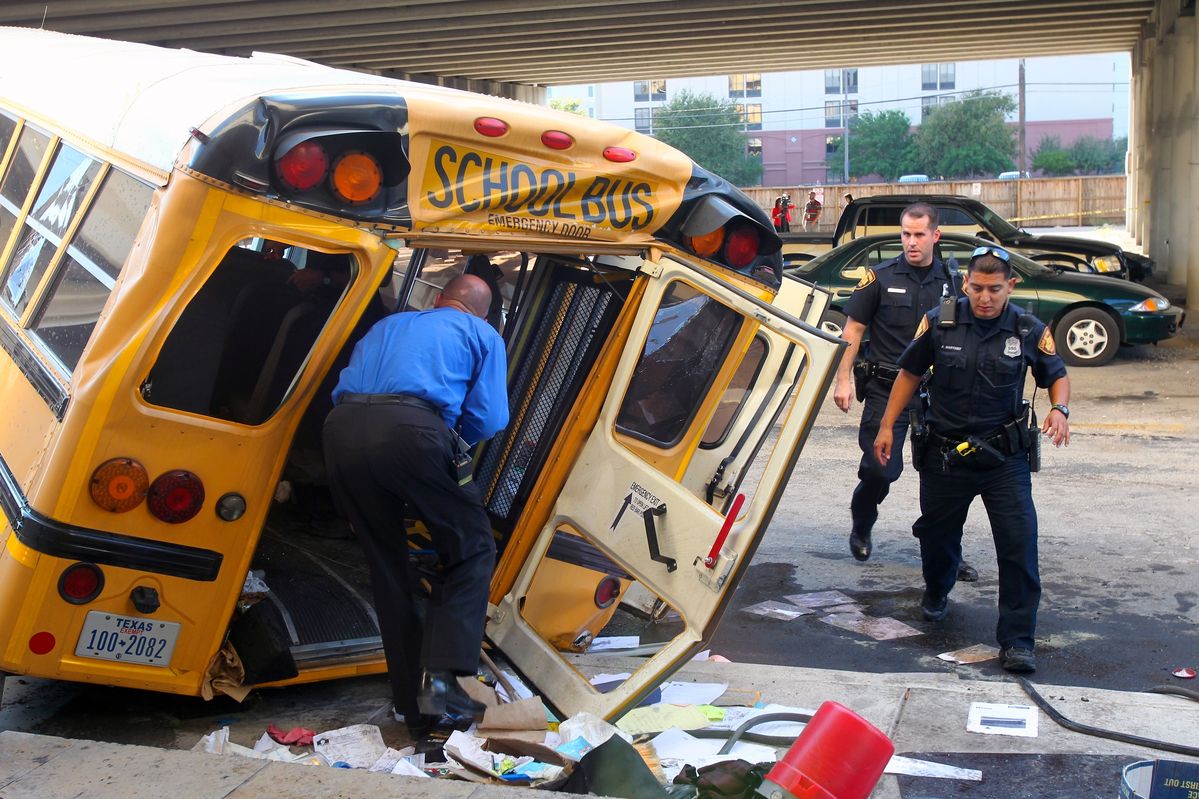
Washington, DC Bus Accident: Public Transit Injury Claims Explained
In a flash, a bus crash can turn your entire day upside down. Uno, dura parada. A miss in light. A driver who is distracted. And suddenly people are hurt and confused and don’t know what happens next. Bus accidents happen more often in Washington, DC than many people realize. Every day, Metrobus vehicles, school buses, tour buses and private shuttles fill crowded streets. Injury claims can get messy in a hurry when there is a crash. There can be blame on both sides. Government agencies can also get involved, and that changes the game. That is where legal aid matters. Price Benowitz Accident Injury Lawyers, LLP handles many serious injury cases throughout the DC area including bus crashes and other transit injuries.
Bus Accidents Aren’t Like Regular Car Crashes
Here’s the thing—bus injury claims often involve extra layers of law and paperwork. A normal fender bender between two cars is usually simple. Bus crashes are different. Public transit systems may have special deadlines. Private bus companies carry large insurance policies. Multiple injured passengers may file claims at once. And sometimes, fault is split between several people. A crash may involve:
- A bus driver
- Another driver
- The transit company
- A maintenance crew
- A parts maker
- A city agency
That’s a lot to untangle when you’re already hurt.
Common Causes of Bus Accidents in DC
Washington traffic moves fast, then suddenly doesn’t move at all. Buses squeeze through packed intersections every day. Mistakes happen. Some common causes include:
- Distracted driving
- Driver fatigue
- Speeding
- Poor bus maintenance
- Brake failure
- Unsafe lane changes
- Rain or slick roads
- Aggressive drivers nearby
Tour buses and charter buses can create another problem. Drivers may not know DC streets well. Tight turns near crowded areas can become dangerous quickly. Honestly, even a low-speed bus crash can cause serious injuries. Passengers often stand without seat belts. That means people get thrown around during impact.
Injuries Can Last Longer Than Expected
Some injuries show up right away. Others creep in days later. People injured in bus accidents often suffer:
- Whiplash
- Back injuries
- Concussions
- Broken bones
- Knee injuries
- Spinal cord trauma
- Burns or deep cuts
A spinal injury can change daily life completely. Work becomes harder. Sleep changes. Even walking to the grocery store feels different. That’s why medical care matters early. Waiting too long can hurt both your health and your claim.
Public Transit Claims Have Tough Rules
Claims against city or public transit systems work differently than claims against private drivers. If a Metrobus or city-operated bus caused the crash, you may face shorter filing deadlines. Miss one notice requirement, and your case could hit a wall before it starts. That catches many people off guard. You know what? Most folks assume they have plenty of time. They don’t. A lawyer can help gather:
- Medical records
- Witness statements
- Camera footage
- Driver logs
- Accident reports
- Maintenance records
Transit agencies rarely hand over evidence willingly. It often takes pressure and formal requests.
Who Pays After a Bus Accident?
That depends on who caused the crash. If a bus driver acted carelessly, the bus company may pay damages. If another driver caused the collision, their insurance may cover losses. Sometimes both parties share blame. Compensation may include:
- Medical bills
- Lost wages
- Physical therapy
- Pain and suffering
- Future medical care
- Emotional distress
Serious injury claims can grow large quickly. Hospital stays alone can drain savings fast. And let’s be real—insurance companies know that. They may offer quick settlements before victims understand the full cost of recovery.
Why Evidence Matters So Much
Bus accident evidence disappears faster than people expect. Security footage gets erased. Witnesses forget details. Damaged buses get repaired. Skid marks fade after rain. That’s why acting quickly matters. A strong case often depends on small details: Was the driver texting? Did the bus skip maintenance checks? Did road construction create unsafe traffic flow? Tiny facts can shift an entire case.
What If You Were a Pedestrian or Cyclist?
Bus accidents don’t only hurt passengers. Pedestrians and cyclists face major risks in DC traffic. Large buses have blind spots and wide turning areas. One mistake near a crosswalk can lead to life-changing injuries. These cases often involve severe trauma because buses weigh so much more than passenger cars. That size difference matters. A lot. Legal claims for cyclists and pedestrians may involve both traffic laws and transit rules. It’s not always straightforward.
The Insurance Process Can Feel Frustrating
Insurance adjusters sound friendly at first. Sometimes they are. Still, their goal is usually simple: pay less money. They may ask for recorded statements early. They may question your injuries. They may suggest your pain existed before the crash. That process wears people down. An attorney steps in to handle communication, gather evidence, and push back against weak settlement offers. For people dealing with serious injuries, that support can remove a huge mental burden.
Why Local Legal Experience Helps
DC traffic patterns are unique. So are local transit systems and court procedures. Working with a law firm familiar with Washington streets, bus routes, and injury laws can help build a stronger claim. A skilled DC Personal Injury Lawyer understands how local transit cases work and what evidence often matters most. That local knowledge matters more than people realize. One intersection camera. One witness. One overlooked maintenance report. Small details often shape the outcome.
Don’t Ignore Symptoms After a Crash
Adrenaline hides pain. People walk away thinking they’re okay, then wake up stiff, dizzy, or unable to move properly two days later. That happens all the time after bus accidents. See a doctor quickly after any crash. Follow treatment plans carefully. Keep records of every visit, bill, and prescription. It sounds boring. It’s not. Those records help prove your injuries later. And if something feels off physically, trust that instinct.
FAQs
1.After a bus accident in Washington, DC, what should I do immediately?
Even if injuries appear minor, get medical attention first. Report the incident, take pictures if you can, and get the contact information of any witnesses. A lawyer should be consulted before discussing fault with insurance.
2.Can I file a lawsuit against Metrobus following an accident?
Yes, but there are stringent guidelines and shorter timeframes for filing claims against public transportation systems. Your lawsuit may be fully blocked if you file after the deadline.
3.How much time does it take to settle bus accidents?
Months pass before some cases are settled. Cases involving serious injuries might take a lot longer, particularly when there are several parties or government bodies involved.
4.What would happen if the bus abruptly stopped while I was standing?
You might still be able to file a claim for injuries. Bus drivers are required to drive carefully and, whenever feasible, steer clear of abrupt, hazardous moves.
5.Does a bus accident claim require legal representation?
Serious injuries, contested liability, or transit-related claims sometimes get complicated rapidly, though not every case needs one. Legal advice might help bolster your claim and safeguard your rights.